I · Underwater Hull & Protection
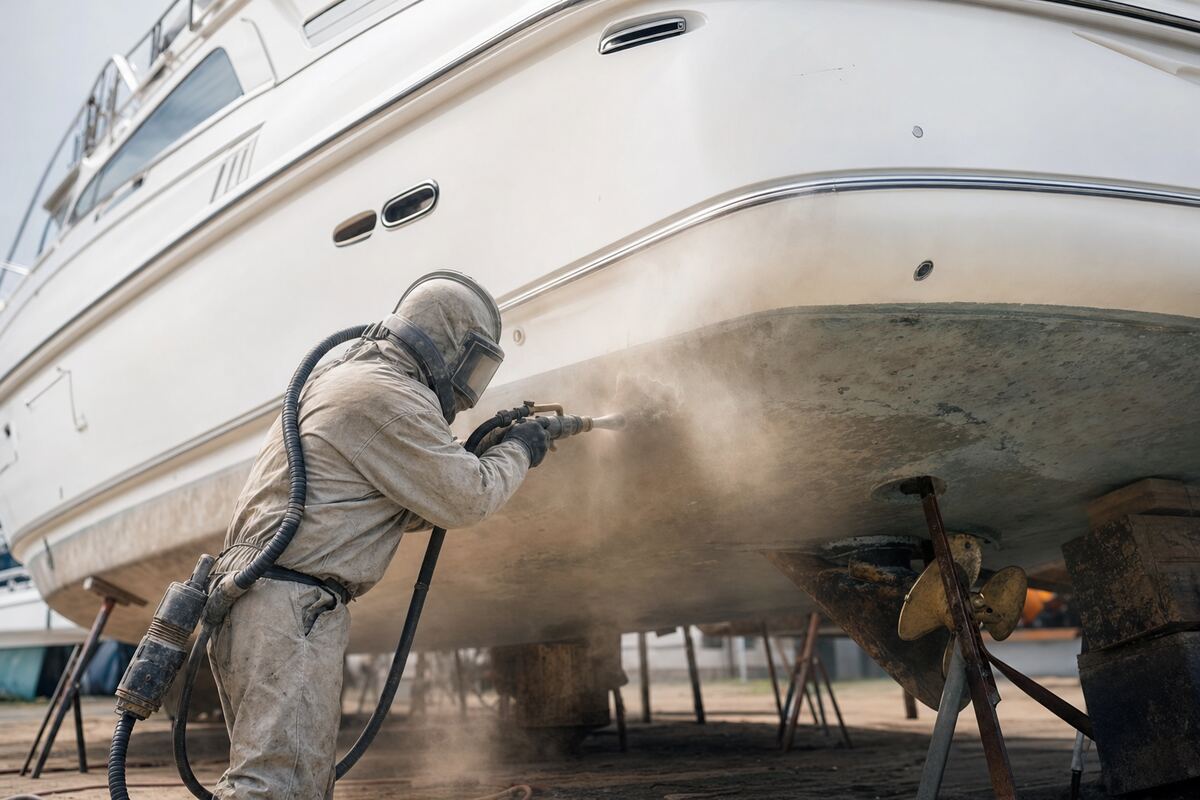
Hull sandblasting
Removing old antifouling layers and growth down to a clean substrate — the right foundation for every protective system that follows.
01 The service
Over the years, successive layers of antifouling build up, lose adhesion and hide the real condition of the hull. Sandblasting removes them in a controlled way and exposes the substrate, so it can be inspected and protected properly.
We adjust the blasting medium and pressure to the hull material — GRP, timber or metal — to clean effectively without stressing the gel coat or the laminate.
02 How we work
The process, step by step.
- 01
Hull inspection and assessment of existing paint layers
- 02
Protection of shafts, propellers, anodes and through-hulls
- 03
Blasting with the right medium and calibrated pressure
- 04
Cleaning and inspection of the substrate for osmosis or damage
- 05
Preparation for anti-osmosis protection or antifouling
03 From the workshop
See the work in action.
03 FAQ
Your most common questions.
How often does a hull need sandblasting?
It is not a yearly job. It is usually done when antifouling layers have built up or are flaking, or before osmosis repair and a Copper Coat application.
Is the gel coat at risk?
Not when the work is done with the right medium and pressure. Blasting is adjusted to the material and to the depth we need to reach.
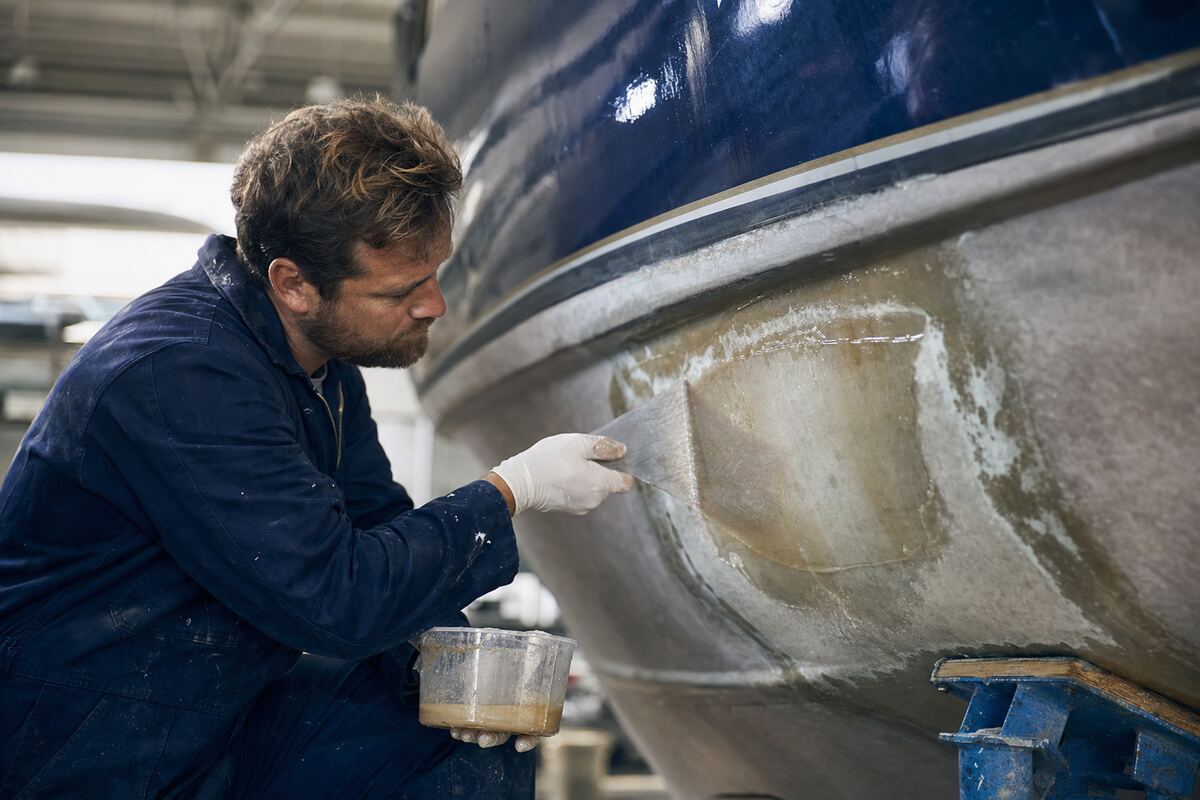 Polyester osmosis repair
A complete osmosis treatment: removing the affected layer, drying, repairing and applying a new waterproof barrier to the hull.
Learn more
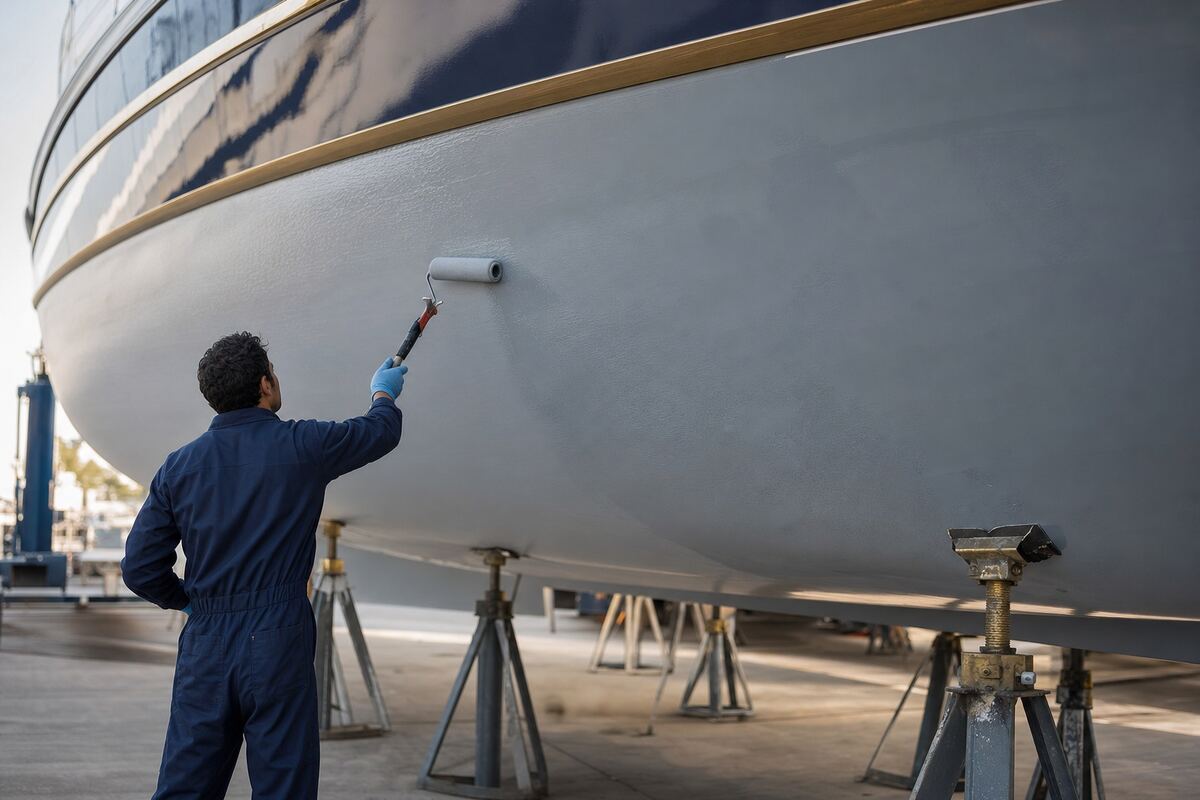 Anti-osmosis protection
An epoxy barrier system that seals the hull and protects it from moisture ingress — on new or repaired boats.
Learn more
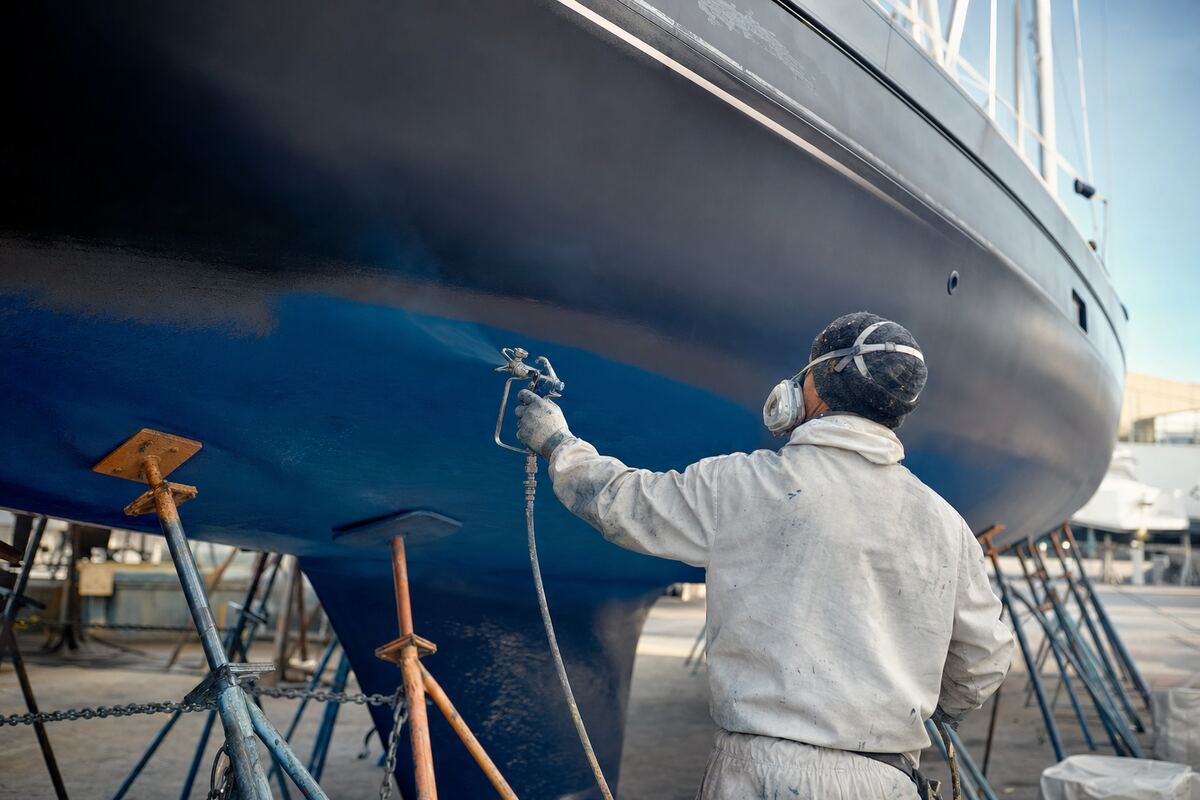 Antifouling application
Choosing and applying the right antifouling for your waters and your use of the boat — for a clean hull and lower fuel consumption.
Learn more
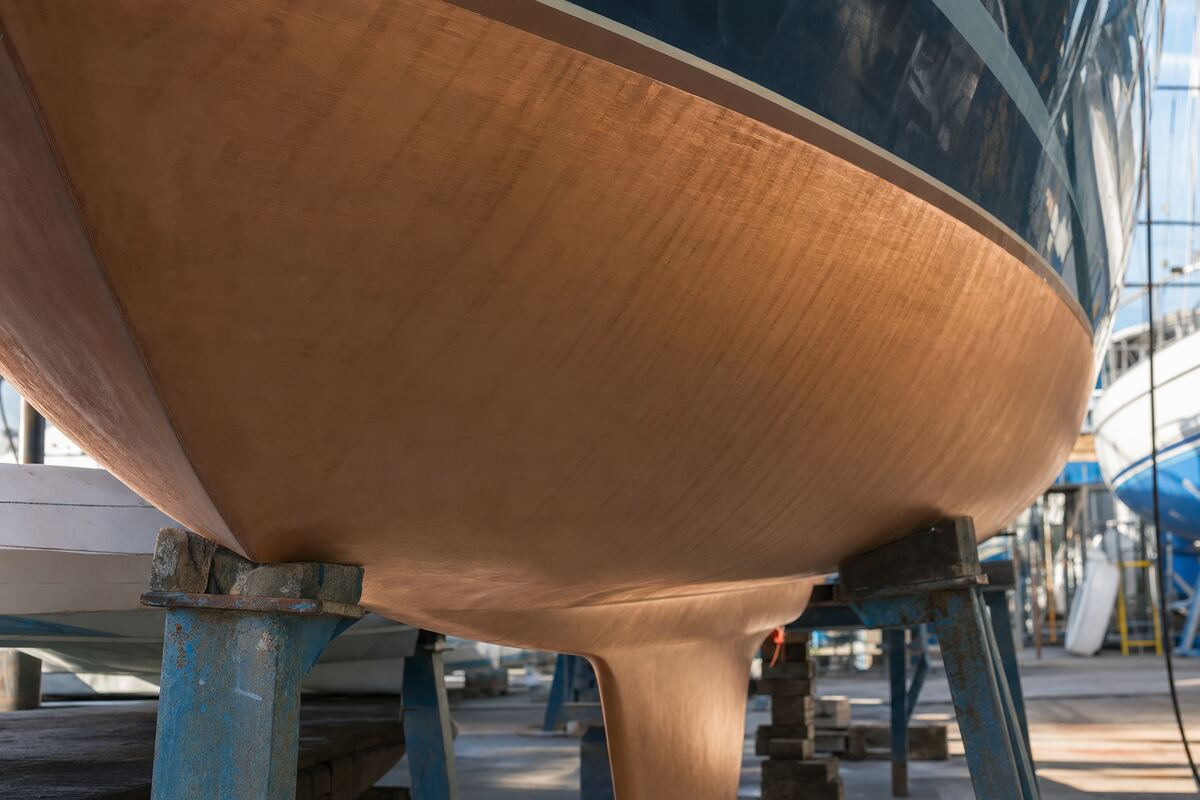 Copper Coat application
An epoxy resin with a high copper content that protects the underwater hull for many seasons — without yearly antifouling.
Learn more
Let's talk about your boat.
Tell us what you need and we will get back to you to arrange an inspection and a quote.